MILWAUKEE WI, USA,
October 1, 2026


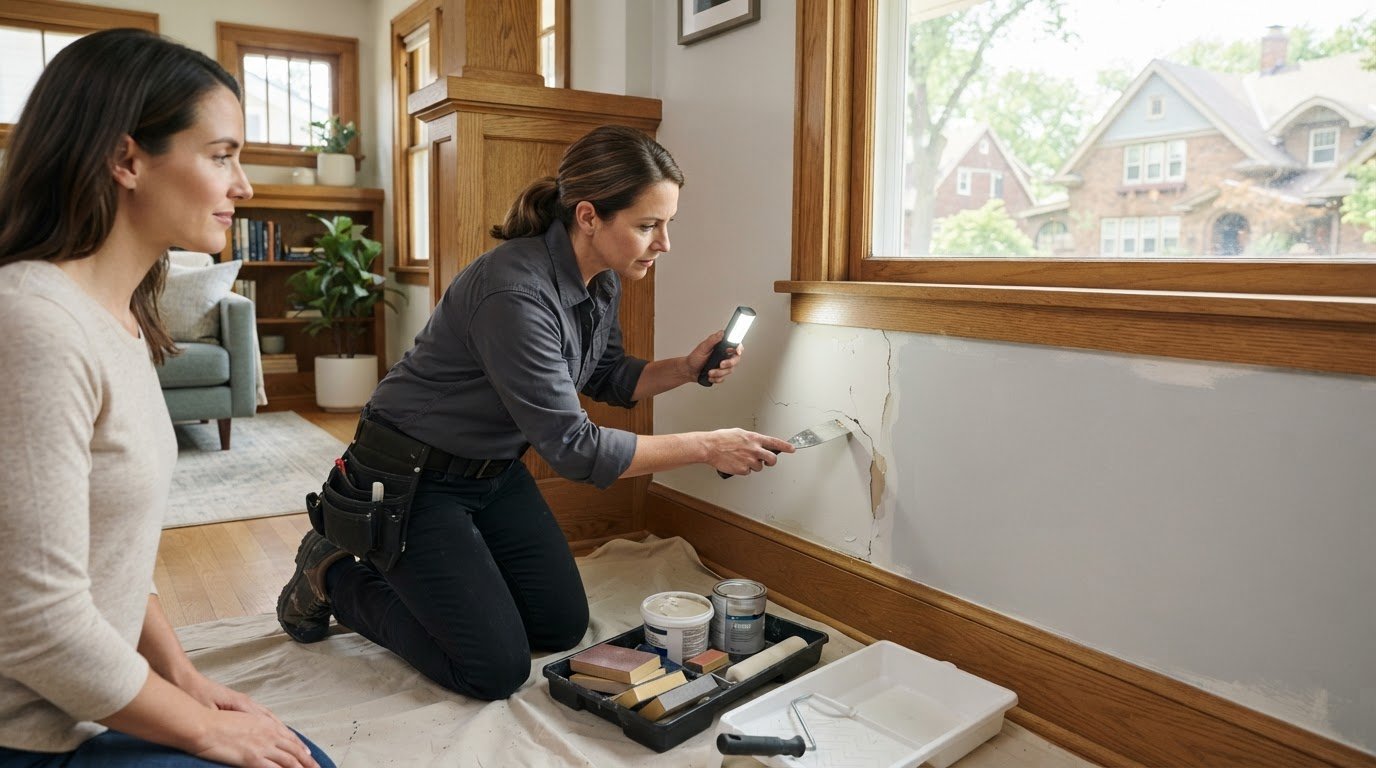
The right stain color won’t make up for wood that hasn’t been assessed and prepared properly. For Wisconsin homeowners considering residential staining services Wisconsin, the first step is to identify the surface and its condition. Decks, fences, and some wood siding may be suitable for staining, but the material and existing finish should guide the plan.
It’s understandable to be unsure which stain to choose, what preparation is needed, or how to assess a contractor’s approach. Wisconsin’s freeze-thaw cycles, humidity, and sun exposure can affect exterior wood, so a careful project starts with the surface, not a color chart.
This guide explains which home surfaces may be suitable for staining, what assessment and preparation can involve, and what to ask when comparing estimates. You’ll also learn why wood type, stain opacity, and application conditions matter to the finished result. Pro Painter USA is a locally owned painting and staining business with approximately 30 years of industry experience. Use the guidance below to discuss your project and compare proposals with greater confidence.
• Learn how staining differs from painting and why the existing surface helps determine which approach may suit your home.
• When comparing residential staining services Wisconsin homeowners can choose from, review what each written estimate includes, not just broad promises.
• Ask how the contractor will account for moisture, sun exposure, and product instructions when planning the work.
• Prepare for the project by identifying surfaces, noting concerns, confirming responsibilities, and discussing access with the contractor.
• Pro Painter USA is a locally owned Wisconsin painting and staining business. Request an estimate to discuss your project scope.
Residential staining typically involves assessing a suitable surface, preparing it, and applying a finish to bring out or adjust its appearance and help protect the material. The result depends on more than color: the type and condition of the surface, any existing coating, and the stain’s intended use all matter. A finish that works for one type of wood may not suit another.
Stain typically lets some wood texture or grain remain visible, while paint creates a more opaque finish. That distinction is a starting point, not a rule for every project. As the overview of Wood stain explains, stains come in different types. Confirm that the product is compatible with your surface and follow its application guidance.
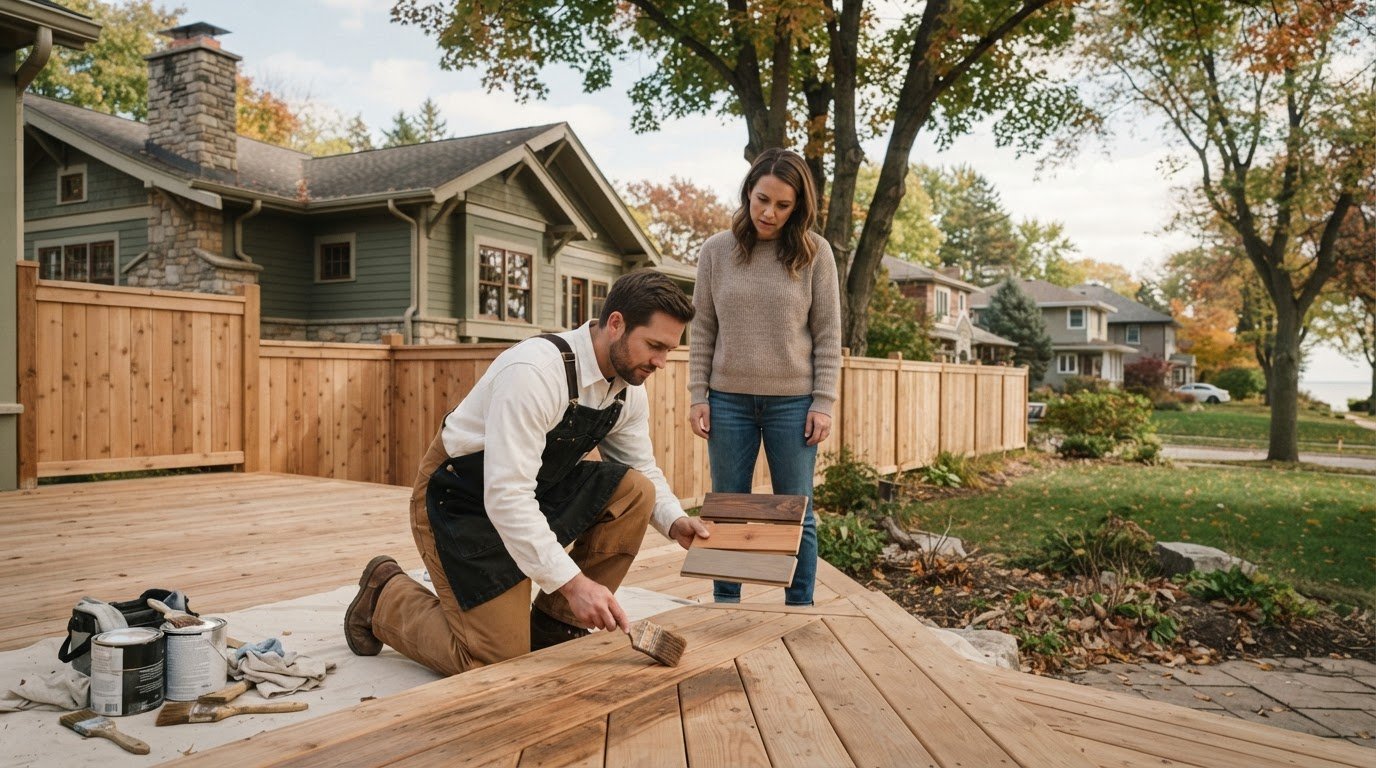
Wood fences are a familiar staining project, but the existing finish and condition still need assessment. Decks, siding, porches, and trim may also be candidates, depending on the material, previous coating, and exposure. Don’t assume a painted or weathered surface can simply be stained over. Ask the contractor to assess each surface and explain whether staining is suitable. For fence-specific guidance, see professional fence staining in Milwaukee.
Start with the look you want and what the surface can support. If you want wood grain to remain visible, stain may be worth discussing. If you prefer a more uniform, opaque finish, paint may be a better fit. Existing coatings can affect preparation and compatibility, while worn, split, or deteriorated wood may need attention before either finish is considered.
In brief: When the surface is compatible, stain emphasizes or changes the wood’s appearance, while paint covers it with a more opaque finish. Neither is automatically the better choice. Let the material, its condition, and the desired result guide the decision.
Staining does not address damaged or deteriorated wood. Applying a finish over a problem won’t resolve the underlying condition. Ask what the assessment found and whether the project scope includes any necessary patching or other preparation before the finish is applied. Homeowners comparing residential staining services Wisconsin can use these details to judge whether a proposed approach fits the surface, rather than choosing by color alone.
Exterior wood faces changing moisture levels, sunlight, humidity, and seasonal temperature shifts. These conditions can affect how a surface weathers and how a finish performs over time. The U.S. Department of Agriculture’s Forest Products Laboratory explains these influences in its Finishing Wood Handbook. The practical takeaway for homeowners is to plan for the specific surface and current conditions, rather than rely on a calendar rule.
There isn’t a universal Wisconsin staining season that works for every product and project. Temperature, moisture, and other application conditions can affect whether a surface is ready. Check the stain manufacturer’s instructions for suitable conditions and surface readiness. The contractor should also assess the wood before recommending a finish or setting the work plan.
Fading, uneven color, peeling finish, and roughness are useful observations to share during an assessment, but none alone confirms what treatment the wood needs. A worn-looking finish may need preparation, while persistently soft or deteriorated areas could indicate a more serious concern. Suspected rot or structural damage deserves closer inspection before staining is considered. See exterior wood rot repair in Milwaukee for related context.
Preparation depends on the surface, its existing finish, and the product selected. Depending on the project, steps may include cleaning and allowing the wood to dry, along with other work suited to its condition. Staining a surface that is dirty, damp, deteriorated, or otherwise incompatible can interfere with the intended result. Ask what the contractor observed, what preparation they recommend, and how they’ll confirm the surface is ready.
Check the weather as well as the wood. Rain, humidity, direct sun, and temperature can affect when work can proceed, but the relevant conditions depend on the product instructions. A sound plan accounts for both the surface and conditions at application. A particular month alone does not guarantee suitable weather.
If fading or peeling comes with visible deterioration, clarify whether the affected area needs assessment or repair before staining is included in the scope. Homeowners seeking residential staining services Wisconsin can request an estimate from Pro Painter USA to discuss the surface and project needs.
Estimates are easiest to compare when each contractor describes the same surfaces and tasks. The work may vary with wood condition, access, existing coatings, and the finish you want, so a short headline or verbal assurance can leave important details unclear. When comparing residential staining services Wisconsin homeowners are considering, focus on the written scope and how clearly it explains the proposed work.
Use these points to compare estimates:
| What to compare | What to look for |
|---|---|
| Assessment | Does the contractor explain what they observed about the wood and existing coating? |
| Preparation | Are the planned preparation tasks identified, rather than described only as “prep”? |
| Project scope | Are the surfaces to be stained clearly listed, with exclusions or areas needing further assessment noted? |
| Materials | Does the estimate identify the proposed finish or explain when product selection will be confirmed? |
| Communication | Are the contact person, update expectations, and process for discussing changes clear? |
| Estimate detail | Can you tell what’s included, what isn’t, and what assumptions affect the proposed work? |
The U.S. Forest Service guide to wood finishing offers technical background on wood finishes and their purposes. For your project, ask the contractor to connect the recommended finish to your surface and desired result. A written scope makes it easier to review that reasoning alongside the work included. For additional planning tips, see house painting estimates in Milwaukee.
Ask which surfaces and preparation tasks are included, what materials are assumed, and what conditions could change the scope. Clarify exclusions, expected project timing, and how updates or questions will be handled. If an item is uncertain, ask to have it stated plainly in the estimate instead of relying on a general promise.
Ask how the contractor evaluates existing coatings and wood condition before recommending work, and why the proposed preparation and finish suit your surface. You can request references for relevant projects and confirm details directly with those references. If licensing, insurance, warranties, or certifications matter to your decision, ask what applies and verify the information independently.
Choose the proposal that gives you a clear understanding of the assessment, scope, and next steps. Comparing details before work begins can help prevent mismatched expectations later.
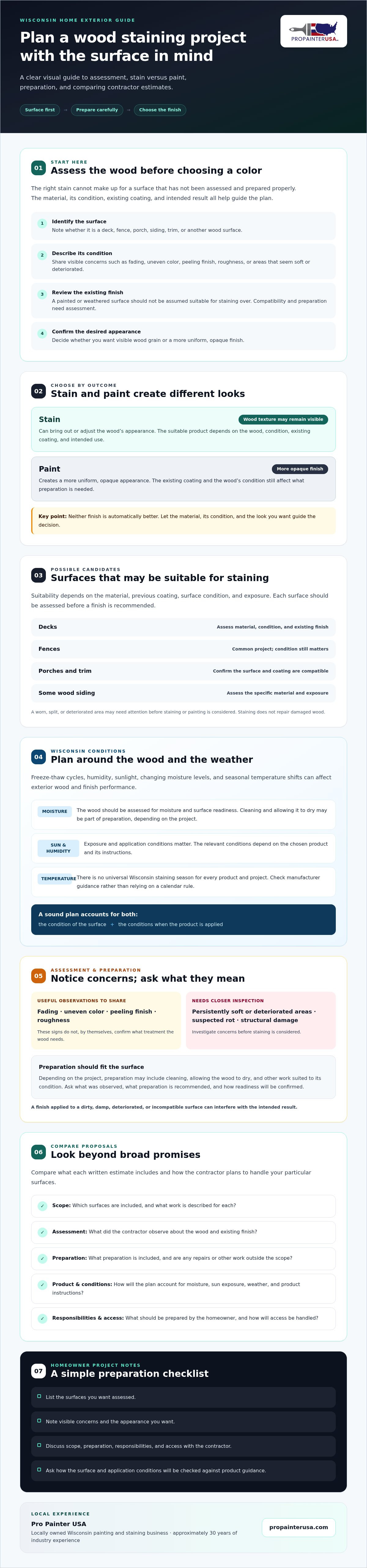
Some preparation before the estimate can help the contractor assess the right surfaces and define the project scope. Identify the areas you’re considering, note visible wear and access concerns, and share what you know about past coatings. After the assessment, review the written scope together and agree on who will handle each preparation task. Confirm repair needs and application timing as part of that discussion.
Share a practical overview of the work you have in mind. Photos can introduce the project, but they may not replace an on-site assessment of the material, existing finish, or condition. Include details such as:
Identify each area, such as a fence section, deck, or other wood surface.
Provide rough measurements if you have them, and mention areas that are difficult to reach.
Note fading, peeling, rough patches, or suspected deterioration without assuming the cause.
Share what you know about previous stains, paint, or other finishes.
Mention gates, stairs, narrow paths, preferred project timing, and any restrictions around the property.
These notes help focus the conversation. The contractor can confirm what’s suitable after assessing the surface.
Before work starts, agree on which surfaces are included, what preparation is planned, and who is responsible for moving or protecting items. Discuss outdoor furniture, planters, pets, access points, and nearby property where relevant. For exterior work, ask how weather-related schedule changes will be communicated and handled.
Confirm how you’ll receive updates and whom to contact with questions. Ask when the treated areas can be used again. The answer depends on the product instructions and the contractor’s guidance, so get directions for your specific project rather than relying on a general waiting period.
Once responsibilities are clear, you may be able to move furniture, clear the work area, or protect nearby items as agreed. Don’t assume every task is yours; confirm who handles what before preparing the space. A clear plan helps coordinate access and the work sequence for residential staining services Wisconsin homeowners are arranging.
Ready to discuss the surfaces and preparation your home may need? Request a staining estimate from Pro Painter USA and share the details you’ve gathered.
A sound staining decision follows a clear sequence: identify the surface, assess its condition, compare written scopes, and confirm the preparation plan. This helps ensure the proposed work fits your home instead of focusing on the finish alone. If the wood shows possible deterioration, have that concern assessed before choosing a stain or setting the work plan.
An assessment can help when you’re unsure whether a surface is suitable for staining, several areas need attention, or the preparation isn’t clear. A contractor can review the existing coating and visible wood condition, then discuss what the project may involve. Suspected deterioration should be evaluated before a finish is selected, since staining doesn’t address underlying damage.
For homeowners in Milwaukee and nearby Wisconsin communities, Pro Painter USA is a locally owned painting business that also provides staining services. The company has approximately 30 years of industry experience. Confirm that the specific material and surfaces you have in mind are included in the proposed project.
Before requesting an estimate, gather the surface locations, approximate dimensions, photos, known coating history, and questions you want answered. Use the estimate discussion to clarify:
• Which surfaces are included, and whether any need closer assessment.
• What preparation is proposed and which responsibilities belong to you.
• What materials or finish will be considered, subject to surface compatibility and product guidance.
• How project timing and updates will be discussed, including possible weather-related changes for exterior work.
Compare the written scope with your notes, and ask for clarification wherever an assumption or exclusion is unclear. A free estimate is an opportunity to discuss the project, not a promise of a particular result. A careful conversation can help you understand the proposed work before deciding how to proceed.
Pro Painter USA serves homeowners across the Milwaukee area and surrounding communities, including Shorewood, Whitefish Bay, Fox Bay, Glendale, Fox Point, Bay View, Grafton, Cedarburg, Port Washington, Wauwatosa, Menomonee Falls, Richfield, West Bend, Hartford, Waukesha, New Berlin, Hales Corners, Oak Creek, and Cudahy. If you’re ready to talk through your project, request a free staining estimate. Share the surfaces you’re considering and the concerns you’ve noticed, then confirm the scope and next steps with the team.
A successful staining project starts with the surface, not the color. Identify what you want stained, have its condition assessed, and make sure the written scope explains preparation, materials, and responsibilities. Wisconsin weather and product instructions matter too, so confirm the proposed application conditions instead of relying on a fixed seasonal rule.
When comparing residential staining services Wisconsin homeowners can choose from, look for clear answers about the work and a plan suited to your home. Pro Painter USA is a locally owned Wisconsin business with approximately 30 years of industry experience. Free estimates are available online or by phone, giving you an opportunity to discuss your project and clarify what may be involved.
Gather your surface details and questions, then take the next step. Request a free estimate from Pro Painter USA to start the conversation. With a clear assessment and agreed scope, you can move ahead better prepared to care for your home.
A residential staining service may include assessing the existing finish, preparing a suitable surface, and applying an appropriate stain. The exact scope depends on the material and its condition, so confirm what the contractor recommends for your wood and existing coating. Before accepting an estimate, check which areas, preparation tasks, and materials are included. Ask about exclusions too, especially if the surface has damage that may need attention first.
Fences and other suitable wood surfaces are common staining projects, but compatibility depends on the material, condition, and existing coating. Decks, siding, porches, and trim should be assessed individually rather than assumed to be suitable. If you’re considering residential staining services Wisconsin, ask the contractor to review the specific surface and explain the recommended preparation and finish. Confirm that the proposed work includes the areas you want treated.
There isn’t one date or season that works for every staining project. The surface must be ready, and temperature, moisture, precipitation, and product instructions all affect planning. Wisconsin’s changing conditions can influence exterior schedules, so ask how the site conditions and forecast will be considered. Follow the manufacturer’s application guidance for the chosen product, and don’t rely on a fixed calendar rule as the only sign that conditions are suitable.
Fading or uneven color may point to finish wear, while soft, visibly deteriorated, or damaged wood needs closer assessment. These signs don’t establish a diagnosis on their own. Stain is a finish, not a structural repair, so ask a professional to inspect concerning areas before work begins, especially if rot is suspected. Confirm whether repair is needed and whether it’s included in the contractor’s services before agreeing on a staining scope.
There’s no single price for every Wisconsin home. An estimate depends on the surface area, access, condition, preparation needs, materials, and agreed scope. Request a written estimate that identifies the surfaces and tasks included, along with any exclusions or assumptions. Pro Painter USA offers free estimates online or by phone and serves Milwaukee and nearby communities, including Shorewood, Whitefish Bay, Wauwatosa, Menomonee Falls, Oak Creek, and Waukesha.
The choice depends on the fence’s condition, access, preparation requirements, and your comfort with the work. If the wood is damaged or you can’t identify its existing finish, ask a contractor to assess it before choosing a product or starting preparation. A professional review can help clarify whether staining suits the fence and what the project may involve. Compare the proposed scope with the work you feel prepared to do yourself.
Ask how the contractor will assess the wood and existing coating, what preparation is included, and how the finish will be selected for that surface. Clarify which areas are covered, what the estimate excludes, how scheduling and weather changes are handled, and what access is needed. You can request relevant references and verify claims about credentials or warranties directly. Pro Painter USA serves Milwaukee and surrounding communities, including Glendale, Fox Point, Bay View, Grafton, Cedarburg, Port Washington, Richfield, West Bend, Hartford, New Berlin, Hales Corners, Cudahy, and Fox Bay.
You might find these helpful:
We are a team of interior and exterior painters and we are not limited to house painting only. We can paint different businesses like retail shops, commercial buildings, and apartments.
We also provide restaurant painting services. We can give you more information about these services if you give us a call.