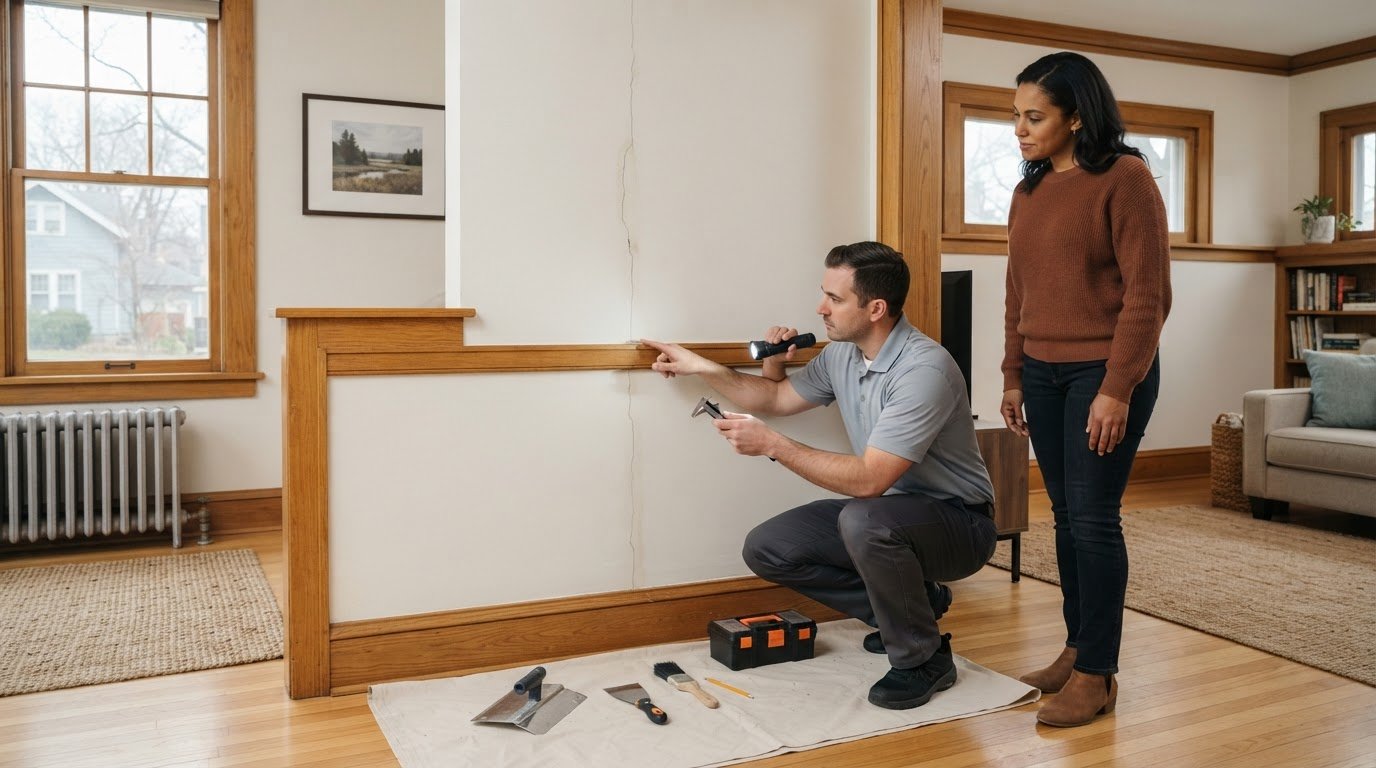
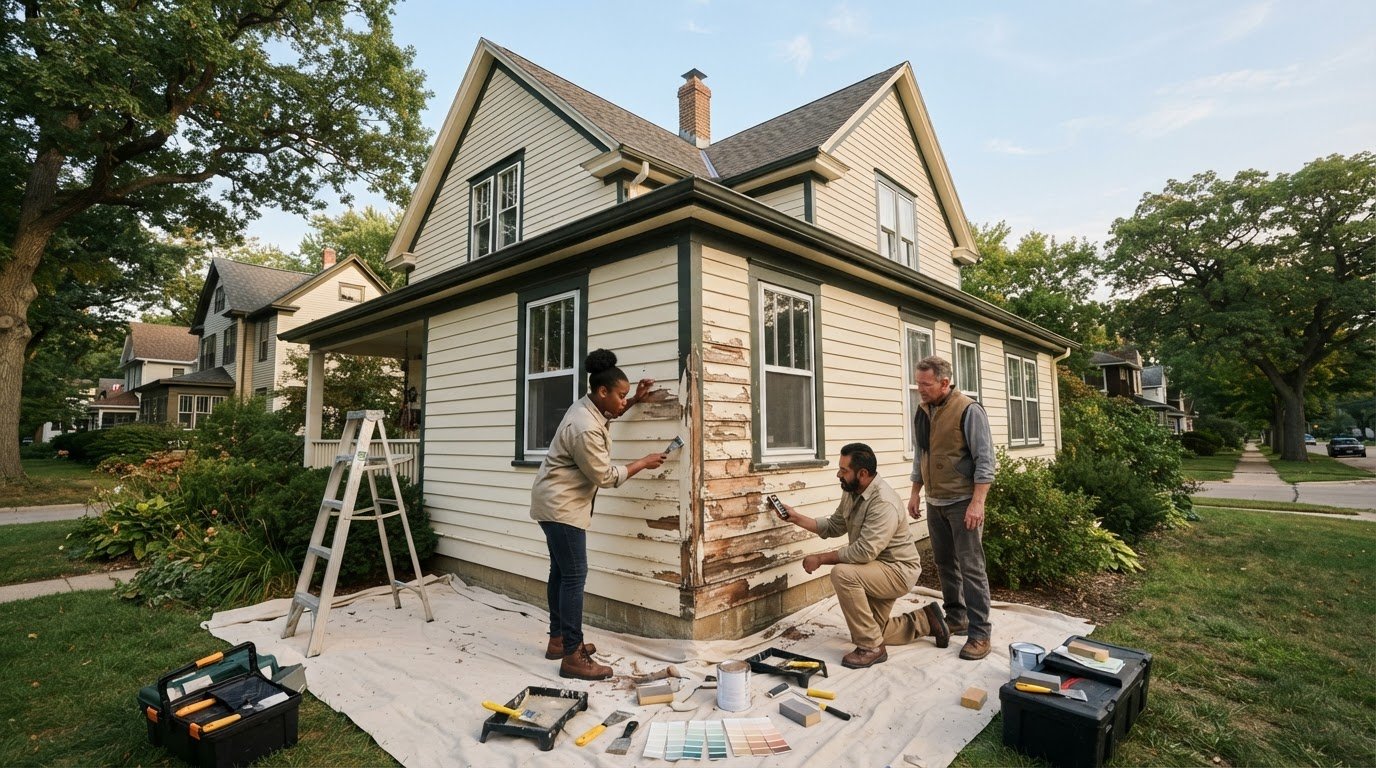
MILWAUKEE WI, USA,
August 13, 2026



Imagine spending your entire weekend balanced on a ladder, only to wake up Monday morning with a stiff neck and a series of unsightly drips running down your freshly painted walls. It is a frustrating reality for many Milwaukee homeowners who realize too late that the most overlooked surfaces in a room are often the most demanding. Whether you are refreshing a single bedroom or updating your entire home, the quality of your overhead surfaces and baseboards dictates the overall feel of the space. Hiring professional ceiling and trim painters ensures that these critical architectural details receive the specialized attention they require.
We understand that you want a home that reflects your pride of ownership without the mess or the physical strain of DIY attempts. In this article, you'll discover why ceilings and trim are the true architectural frame of your interior and how professional techniques achieve a flawless finish. We will preview the tools used for crisp lines, the methods for eliminating brush marks on high-gloss wood, and how 30 years of experience translates into lasting peace of mind for your next project.
• Understand why ceilings and trim serve as the visual boundaries that define the quality of your interior design.
• Learn about the physical challenges of overhead painting and how expert techniques prevent common issues like paint misting and drips.
• Discover the "clean line" test and why professional ceiling and trim painters deliver a level of precision that tape alone cannot achieve.
• Explore the critical preparation steps, such as cleaning and de-glossing, that ensure your trim paint remains durable and smooth for years.
• See how local environmental factors like Milwaukee’s humidity affect wood movement and why specific application methods are necessary for historic trim.
Ceiling and trim painting is far more than a basic maintenance task; it's a detail-oriented architectural finishing process that defines the character of a home. These surfaces act as the visual boundaries of a room, providing the structure that allows your furniture and wall colors to shine. Professional ceiling and trim painters treat these areas as the "frame" for your living space, ensuring every corner and edge is sharp. When these boundaries are crisp, the entire room feels deliberate and high-quality. Without this precision, even the most expensive wall paint can look unfinished or messy.
Designers often refer to the ceiling as the "fifth wall" because of its massive impact on a room's atmosphere. A bright, clean ceiling can psychologically increase the perceived height of a room, making smaller Milwaukee homes feel airy and open. The choice of sheen is vital for light distribution; while flat finishes are standard for hiding imperfections, a subtle sheen can help bounce natural light in darker hallways. While modern homes often use simple finishes, historical properties sometimes draw inspiration from illusionistic ceiling painting techniques to add depth and grandeur. Over time, ceilings face specific challenges like yellowing from age, water stains, or texture cracks that require professional intervention to restore properly.
Trim includes the critical details that join a room together: baseboards, crown molding, window casing, and chair rails. These elements serve as the transition point between different building materials, such as the gap where drywall meets a wooden door frame. When trim is painted with precision, it creates a sharp contrast that makes your wall colors pop. It’s the difference between a room that looks "nice" and one that looks professionally designed.
Beyond aesthetics, trim surfaces are high-traffic areas. Baseboards endure vacuum cleaners and pets, while door casings handle constant contact from hands. This means the finish must be exceptionally durable. Expert ceiling and trim painters focus on intensive surface preparation and the use of high-quality enamels to ensure these frames stay smooth and resistant to chipping. With 30 years of experience in the Milwaukee and Wauwatosa area, we've seen how the right finish on a baseboard can protect the home’s integrity while elevating its style.
Painting a flat wall is a straightforward task for most homeowners, but ceilings and trim present a entirely different set of technical hurdles. These surfaces are often referred to as the "hard places" because they require specialized equipment, physical endurance, and a deep understanding of paint chemistry. The physical toll of overhead work is significant. Maintaining a steady hand while balanced on a ladder leads to rapid neck and back strain, which often results in shaky "cut-in" lines where the ceiling meets the wall. Professional ceiling and trim painters possess the muscle memory and safety training to maintain precision even after hours of working in these awkward positions.
Lighting also plays a deceptive role in these areas. Because overhead lights are often mounted directly on the ceiling or cast shadows across baseboards, every minor imperfection is magnified. A small ridge of paint or a missed patch of primer becomes a glaring eyesore once the room is fully lit. Achieving a seamless look requires more than just a brush; it requires an eye for how light interacts with different angles and textures.
Gravity is the primary enemy when painting a ceiling. When paint is applied overhead, standard rollers can create a "misting" effect, where tiny droplets of wet paint drift onto floors, furniture, and the painter themselves. Managing the paint load on a roller is a delicate balance. If there is too much paint, it drips; if there is too little, the finish becomes patchy and uneven. Professionals often use a technique called back-rolling to ensure the coating is uniform, especially on the textured surfaces common in older Wauwatosa homes. This methodical approach prevents the heavy buildup that leads to peeling later on.
Trim painting is an exercise in patience and geometry. Navigating the intricate grooves of crown molding or the sharp corners of window casings requires a level of dexterity that painter's tape often fails to provide. In fact, relying too heavily on tape can lead to "bleed," where paint seeps under the edge and ruins the crisp line. Beyond the physical application, trim requires a different paint chemistry than walls. High-traffic areas like baseboards need durable enamels that "level out" as they dry, eliminating visible brush strokes to create a factory-smooth finish.
In many of Milwaukee’s historic neighborhoods, these technical challenges are compounded by the age of the structure. Homes built before 1978 may require lead-safe work practices to ensure that any sanding or preparation doesn't compromise your family's health. If you are concerned about the complexity of your home's unique layout, it's often best to consult with a local expert who understands these architectural nuances. Our team brings 30 years of experience to every project, ensuring that even the most difficult architectural details are handled with integrity and care.
Deciding between a weekend DIY project and hiring professional ceiling and trim painters often comes down to the "Clean Line" test. While many homeowners feel confident painting a flat wall, the junctions where the ceiling meets the wall or where the baseboard meets the floor reveal the true skill level of the painter. DIY attempts frequently rely on painter's tape, which often results in "bleed" or jagged edges when the tape is removed. Professionals, however, use a technique known as cutting in by hand, which provides a level of precision that tape simply cannot match. Cutting in by hand allows for a perfectly straight, razor-sharp edge because the painter controls the paint flow with pressure and angle rather than relying on a physical barrier.
The time investment is another stark contrast. What might take an inexperienced homeowner three full days of labor, a professional crew can often complete in a single afternoon. This efficiency isn't just about speed; it's about the methodical approach to the "Mess Factor." DIYers often struggle with paint splatter on newly painted walls or drips on hardwood floors. Professional teams use comprehensive containment strategies that ensure your furniture and flooring remain untouched throughout the process. This provides the peace of mind that comes from knowing your home won't require a deep clean once the painting is done.
Achieving perfectly straight lines at the ceiling-wall junction is a hallmark of expert workmanship. When painting crown molding, the risk of getting paint on the ceiling is incredibly high for a novice. Professionals manage this by using specific brush angles and maintaining a "wet edge" to prevent lap marks. By mastering the physics of the brush, experts ensure that the architectural frame of your room remains distinct and sharp. Cutting in by hand is superior to using tape because it eliminates the risk of adhesive pulling up existing paint and prevents liquid paint from seeping into the wood grain.
The difference in results often starts with the products used before the first coat of color is even applied. Many big-box stores sell "all-in-one" paint and primer products that promise a shortcut, but these rarely provide the adhesion needed for high-gloss trim. Professional ceiling and trim painters utilize industrial-grade primers that chemically bond to the surface, preventing the common issue of trim paint peeling off in strips months later. Additionally, professional-grade brushes and high-volume, low-pressure (HVLP) sprayers allow for a smooth, level finish that lacks the visible ridges left by cheap polyester brushes. To protect your indoor air quality, modern professional crews also employ advanced dust containment systems during the sanding phase, ensuring that fine particles don't settle into your HVAC system or carpets.
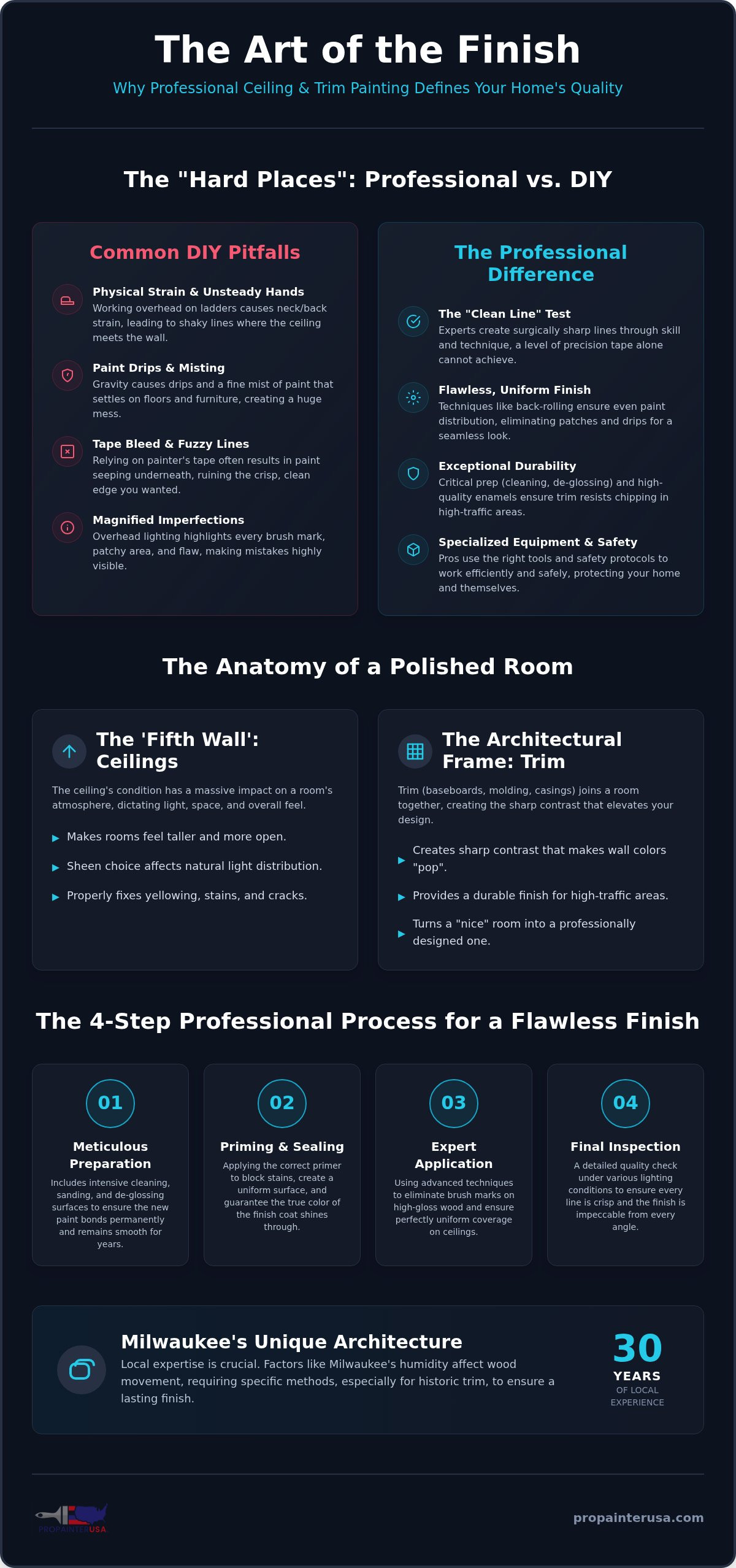
The best ceiling and trim painters follow a methodical sequence that prioritizes preparation over the actual application of paint. While it's tempting to reach for the brush immediately, a high-quality finish is built on the work done before the lid is even popped on a paint can. We begin with comprehensive room protection that goes far beyond simply throwing down a few drop cloths. This involves sealing off the work area with plastic sheeting to prevent dust migration and using specific tapes that won't damage your existing wall finishes.
When you hire professional ceiling and trim painters, surface preparation becomes the most critical stage. We focus on "repairing the invisible," such as patching hairline cracks in ceiling drywall that only become apparent under specific lighting. Once repairs are made, the application phase involves applying multiple thin coats rather than one thick layer. This prevents sagging and ensures a durable, uniform finish that resists chipping. Multiple thin layers also help eliminate "roping," which are those unsightly ridges left behind when paint is applied too heavily. The process concludes with a rigorous final inspection and a "no-trace" cleanup, leaving your home exactly as we found it.
In many Milwaukee homes, older trim was finished with oil-based products that modern latex paint cannot bond to without proper intervention. Sanding is non-negotiable here; it de-glosses the surface and creates a "tooth" for the new finish. We also take the time to fill every nail hole and caulk every gap where the trim meets the wall. This eliminates the dark shadows that make a room look aged. If your home has suffered from previous low-quality jobs, we carefully remove old paint buildup to restore the molding’s original profile. This attention to detail ensures your baseboards and casings look like they were installed yesterday.
Ceilings often hide years of wear, from old water stains to smoke damage. We use specialized stain-blocking primers to ensure these blemishes don't bleed through the final coat. Whether we are smoothing out old repairs or managing delicate textures, the goal is uniform absorption. This prevents "flashing," or the streaky appearance that happens when paint dries at different rates across a surface. If you're ready to see the difference that 30 years of experience makes in your home, you can request a free estimate today to begin your interior transformation.
Milwaukee's architectural heritage sets a high bar for interior maintenance. From the iconic Cream City brick exteriors to the intricate woodwork found inside, local homes demand a level of care that national franchises often overlook. Choosing local ceiling and trim painters means partnering with experts who understand how Wisconsin’s climate impacts your home. Our state’s dramatic humidity fluctuations cause interior wood to expand and contract significantly throughout the year. Without the right preparation and flexible, high-quality finishes, this movement leads to unsightly cracking in crown molding and baseboards. A neighborly expert knows exactly which products can withstand these shifts while maintaining a flawless appearance.
A locally owned Wauwatosa business brings a specific perspective to every project. We've spent 30 years observing how Milwaukee’s unique natural light interacts with different paint sheens and colors. This deep local experience ensures that your interior finishes don't just look good in the showroom; they remain durable and beautiful in the specific context of a Midwest home. Whether you're dealing with century-old plaster or modern drywall, the integrity of the work depends on a deep familiarity with local building styles.
Homeowners in older neighborhoods like Shorewood or Wauwatosa often deal with heavy oak trim and ornate plaster ceilings. These historic features require a delicate hand to avoid obscuring fine details with thick layers of paint. Conversely, newer developments in areas like New Berlin often favor minimalist trim with sharp, clean lines that leave no room for error. Selecting the right palette is essential for both styles. We help you choose colors that complement our region’s often-overcast winter light, ensuring your rooms feel warm and inviting year-round. This tailored approach respects the history of your home while embracing modern aesthetic trends.
Our team is deeply rooted in the Milwaukee, Waukesha, and Ozaukee communities. We believe that professional integrity is built on transparent communication and consistent results. This is why we utilize project-based fees instead of hourly "handyman" rates. A flat project fee provides you with peace of mind because the cost is locked in, regardless of how many hours of meticulous detail work the job requires. It ensures that our crew focuses on quality rather than watching the clock. When you choose a seasoned local authority, you're investing in the long-term health and aesthetic success of your property. Request your free interior painting estimate from Pro Painter USA today!
A successful interior transformation depends on the details that define your room's boundaries. Whether you are looking to brighten a space by refreshing the "fifth wall" or want to highlight historic molding with a smooth finish, the quality of your overhead and trim surfaces is non-negotiable. Expert ceiling and trim painters bring the specialized tools and physical stamina required to navigate these challenging areas without the mess or safety risks of a DIY attempt. By prioritizing deep surface repair and utilizing industrial-grade materials, you ensure that your home’s architectural frame remains beautiful for years.
Pro Painter USA brings 30 years of local experience to every project in Milwaukee, Wauwatosa, and the surrounding communities. We include expert surface repair and preparation in every job to guarantee that your results are both durable and visually stunning. You don't have to settle for visible brush marks or jagged lines. Take the first step toward a flawlessly painted interior today. Get a Free Estimate for Your Milwaukee Painting Project and enjoy the peace of mind that comes with working with a trusted neighborly expert.
You don't need to completely empty the room, but we ask that you remove small decor, electronics, and fragile items. Our team will move heavy furniture to the center of the room and protect it with clean plastic sheeting. This allows ceiling and trim painters to access every corner safely. Ensuring a clear workspace helps us maintain our methodical flow and protects your belongings from dust during the preparation phase.
Professionals typically paint the trim first because it is easier to overlap onto the walls during the process. Once the trim is dry, we can tape it off or use a steady hand to cut in the wall color. This sequence ensures the crispest lines at the junction of the baseboard and the wall. It's a logical approach that minimizes rework and ensures the architectural frame of your room looks sharp and deliberate.
Patchiness, often called "flashing," usually occurs because the paint dried at different rates or the surface was too porous. If you didn't use a stain-blocking primer, the drywall absorbs the moisture unevenly. Professional ceiling and trim painters avoid this by maintaining a "wet edge" and applying uniform pressure with the roller. Our experience allows us to identify these absorption issues during the preparation stage, ensuring a smooth, flat finish across the entire ceiling.
Semi-gloss or satin finishes are the standard choices for interior trim and baseboards. These sheens provide a hard, durable surface that resists the scuffs and dirt common in high-traffic areas. They also offer a beautiful contrast against flatter wall paints, making your architectural details stand out. We recommend high-quality enamels that level out as they dry, which eliminates visible brush marks and provides a professional, factory-smooth appearance for your home.
Yes, you can successfully paint over stained wood as long as the surface is properly prepared. We start by cleaning and de-glossing the wood to remove old wax or oils that prevent paint from sticking. Applying a high-adhesion, oil-based or specialized bonding primer is the next critical step. This creates a bridge between the old stain and the new topcoat, ensuring your new finish won't peel or chip away over time.
A standard room usually takes one to two days to complete, depending on the amount of preparation required. While the actual painting moves quickly, the time spent patching cracks, caulking gaps, and waiting for primer to dry is essential for a lasting finish. Our project-based approach ensures we take the time necessary for excellence without rushing the process. We work efficiently to minimize disruption while maintaining the high standards you expect from a local expert.
Crown molding is typically treated as a specific line item in our detailed estimates. Because it requires working at height and involves intricate detail work, it is often categorized separately from baseboards or walls. We provide clear, transparent quotes so you know exactly which surfaces are covered before the project begins. Including crown molding in your project ensures the entire room has a cohesive, professionally finished look from top to bottom.
You must first ensure that the source of the moisture is completely repaired and the area is dry. Once the leak is fixed, we apply a heavy-duty stain-blocking primer to prevent the tannins or minerals from bleeding through the new paint. Simply painting over a water stain with standard latex paint will not hide it for long. Our team specializes in these types of repairs, restoring your ceiling to a clean, uniform appearance.
You might find these helpful:
We are a team of interior and exterior painters and we are not limited to house painting only. We can paint different businesses like retail shops, commercial buildings, and apartments.
We also provide restaurant painting services. We can give you more information about these services if you give us a call.