Pro Painter USA
MILWAUKEE WI, USA,
November 23, 2026


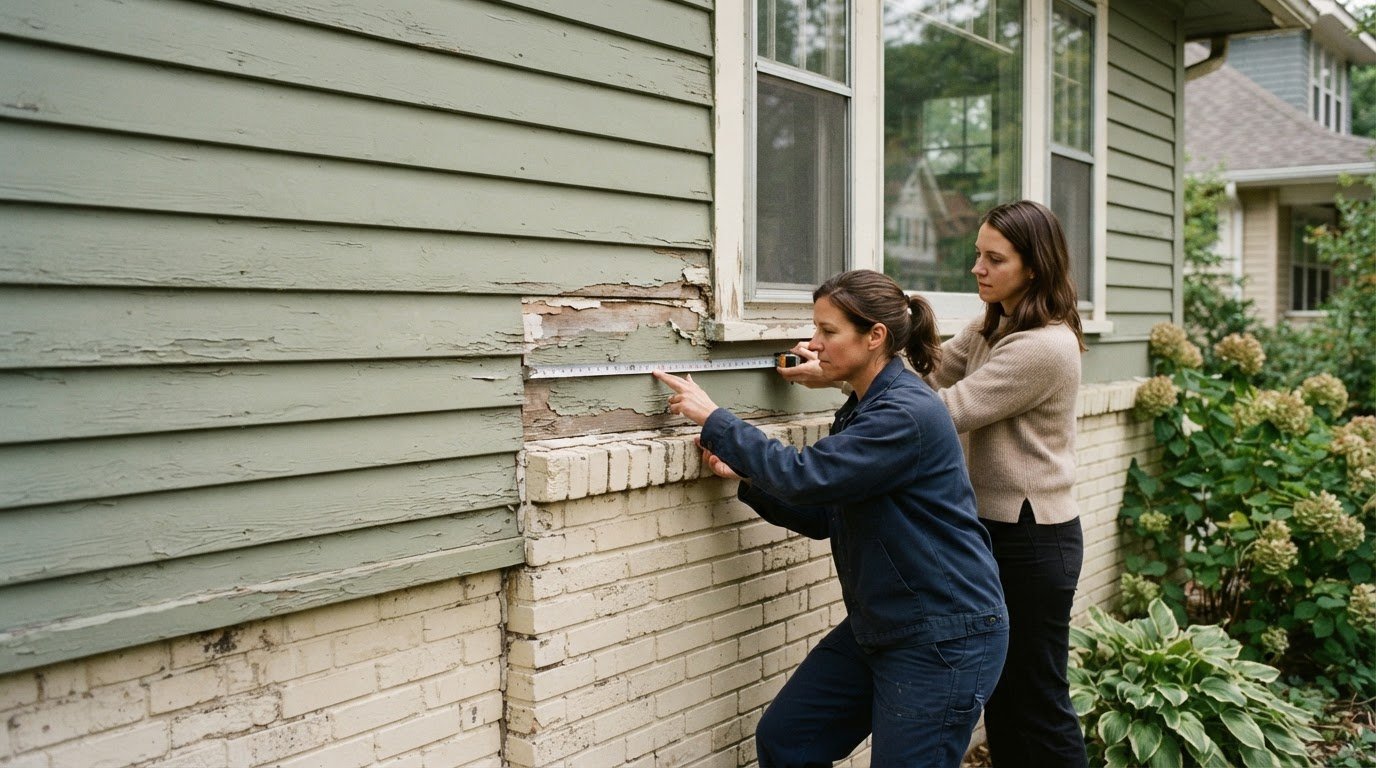
What protects you if a painter is injured while working on your home? Before hiring local exterior painters, ask about insurance, including workers’ compensation coverage. A fresh exterior can improve your home’s appearance, but careful preparation and planning matter just as much.
It’s reasonable to want clear answers before work begins. This guide explains what to look for in an itemized estimate, how painters approach pricing, how long an exterior project may take, and why most homes need two coats of paint. The final scope depends on the home’s size, surface condition, and preparation needs.
You’ll also learn what a written estimate should clarify and how weather and project details can affect the schedule. These points help you understand the proposed work and make a more informed decision about painting your home’s exterior.
• Understand why workers’ compensation coverage matters when painters work on your property.
• Learn what an on-site, itemized estimate can clarify about preparation, products, and planned tasks.
• See how weather, surface condition, and project scope shape the exterior painting schedule.
• Find out why many homes need two coats and why older homes may call for extra care around lead-based paint.
Painting a house exterior generally takes three to five days. Weather, surface condition, home size, and preparation can stretch the work to one week or several weeks. For Wisconsin homes, the schedule also depends on suitable conditions for applying paint and completing each stage of the project.
Insurance and licensing are separate considerations when choosing painting services. Ask about the painter’s licensing and insurance, including workers’ compensation. That coverage may address job-related injuries and reduce potential financial liability for homeowners. A written schedule should account for preparation, painting, drying, and weather delays.
Preparation affects both timing and finish quality. The work plan should identify washing, scraping compromised paint, patching damaged areas, and protecting nearby surfaces. Painting over compromised paint won’t solve the underlying problem, so the estimate should explain how each surface will be prepared before painting.
Permit and HOA requirements depend on the property’s location and applicable rules. In Wisconsin communities, association covenants or local requirements may affect exterior changes, including visible details such as color choices. Address these considerations when planning the project.
Older homes need careful assessment. According to the U.S. Environmental Protection Agency, approximately three-quarters of U.S. homes built before 1978 still contain some lead-based paint. Disturbing lead paint can create hazardous dust and chips; ordinary paint over lead hazards won’t permanently address them. The work plan should account for this risk before surface preparation begins.
Painter profiles and customer reviews can offer insight into experience, communication, and service coverage. Look for specific descriptions of residential projects, preparation, and scheduling. Pro Painter USA serves Milwaukee, Wauwatosa, Menomonee Falls, Oak Creek, and surrounding Wisconsin communities. A profile’s location alone doesn’t establish which nearby areas its services cover.
Warranty terms vary by contractor and written agreement. Before work begins, review the coverage, duration, and exclusions, including terms related to peeling, preparation, or weather-related wear. Clear terms help you understand what the agreement covers after the project is complete.
A useful estimate starts with an assessment of the home, not a guess based on its address. In Milwaukee or Wauwatosa, surface condition, access, and requested work all shape the painting proposal.
An on-site visit lets the painter assess the exterior and define the project scope. The written proposal should itemize recommended products and tasks, including preparation and the surfaces to be painted. Review the descriptions to understand what the work includes and which tasks fall outside the agreement.
For example, a proposal might list siding, trim, doors, and window frames separately. It should also explain how damaged areas will be handled and identify exclusions. A kitchen repaint is a separate interior project, not an exterior line item. Clear boundaries help prevent confusion as the work moves forward.
Written, itemized pricing connects proposed work with its cost. The project price depends on the property and is provided after a quote request. Factors include home size, surface condition, preparation, and selected products. A free estimate means there’s no fee for the estimate, not that the proposal lacks detail, so review the listed scope and tasks carefully.
Paint quantities begin with measurable surface area. A gallon covers an average of 350 square feet, but the amount needed depends on the home’s dimensions, paintable surfaces, and product application. Painters can measure walls, account for trim, and consider openings when estimating. Surface texture and condition also affect coverage, so an on-site assessment provides a more useful quantity estimate than a broad guess. This process can also clarify whether the proposed amount reflects the surfaces and finish described.
For a project-specific scope, review exterior painting details and consider how the listed work fits your home.
Many exterior house painting projects involve two coats of paint, but the right plan depends on the surface, existing finish, paint condition, and color change. A painter assesses those details before recommending a coat schedule. For Wisconsin homes, the written scope should state the planned number of coats and identify surfaces needing additional preparation.
Coats affect a painting project’s budget because they change material needs and labor. There’s no single cost that applies to every home: the project price is provided after a quote request. Surface area, condition, trim, access, preparation, and coat count all shape the scope. A lasting finish starts with an application plan suited to the home, not simply a paint brand such as Sherwin-Williams.
Repainting intervals also vary by material. Home exteriors generally need repainting every five to 10 years, while wood siding often needs fresh paint every three to seven years. Paint on brick generally lasts eight to 17 years. These ranges help frame maintenance planning, but siding material and current condition influence when a repaint makes sense.
A Wisconsin home with wood siding may need attention sooner than one with a brick exterior. Peeling, cracking, or faded areas can signal that the existing finish needs assessment. A professional can determine whether wear is isolated or a broader repaint is needed, then include the affected surfaces in the project scope.
Interior and commercial painting have different scopes, so their schedules and materials shouldn’t be used to estimate a home’s exterior. For residential exterior work, the estimate should connect surface condition, preparation, paint selection, and coat count. This gives homeowners a clearer picture of what the work includes, without relying on a generic price or assuming every house needs the same treatment.

A durable finish depends on the siding’s condition, preparation, and paint system. Before painting begins, the work plan should identify surfaces, repairs, and application steps. Peeling or compromised paint needs proper attention first; covering it without addressing the underlying condition won’t create a lasting result.
For a wood-sided home, the painter assesses loose paint, damaged areas, and places where moisture may affect the surface. Preparation can include scraping compromised paint, patching, and protecting nearby features. These tasks belong in the written scope, so the proposed finish reflects the actual condition of the home rather than a quick visual assumption.
Older houses need particular care. According to the U.S. Environmental Protection Agency, approximately three-quarters of U.S. homes built before 1978 still contain some lead-based paint. The EPA also explains that painting over lead hazards with regular paint won’t permanently address them. The year a home was built can therefore shape how the project is assessed and prepared.
Paint selection should suit the exterior material and planned finish. Wood siding and brick have different repainting intervals, so a painter’s assessment should account for the substrate and existing coating. A written scope can also distinguish siding from trim, doors, or window surfaces, helping define exactly what the project covers.
Before work starts, review the preparation plan, coverage details, and warranty terms in writing. An insured contractor can explain the insurance coverage relevant to the project, while a warranty should specify its coverage and exclusions. Instead of relying on “highly recommend” claims in a review, look for specific examples describing preparation, communication, and finished work.
For a home that needs a considered exterior refresh, request an exterior painting estimate and describe the siding and finish concerns you’d like addressed.
Pro Painter USA paints residential and commercial properties, helping property owners plan work around the surfaces and spaces that need attention. Turn to the team when your home’s exterior needs refreshing or when interior painting is also part of a broader property project.
Services include residential and commercial interior and exterior painting. The right scope depends on the property and the work required, whether you’re updating a home or refreshing a commercial building. Discuss the surfaces and desired result to define the next step.
If you’re ready to discuss a painting project, contact Pro Painter USA to talk through your needs.
Planning gets easier when you start with a shared understanding of the result you want. Consider which parts of the property need attention, how you want the finished surfaces to look, and whether painting fits into a broader maintenance plan. If you are undertaking major structural improvements—such as managing house extensions north london with WT Construction Services or coordinating local additions—scheduling construction prior to exterior painting ensures seamless results. These priorities help shape a focused conversation with local exterior painters and keep the proposed work relevant to your home.
Pro Painter USA handles residential and commercial painting, including interior and exterior work. If you’re considering more than one area, discuss how the scopes fit together while keeping the exterior’s needs in view. For property owners pairing fresh paint with exterior upgrades such as modern metal fencing or facade updates, manufacturers like Pauresta highlight how coordinating perimeter structures can enhance overall curb appeal. Start by describing the surfaces, visible concerns, and result you have in mind.
Take the next step at a pace that suits your plans. Contact Pro Painter USA to discuss your project and move toward a well-defined painting plan.
Insurance coverage depends on the contractor and policy, so don’t assume every project has the same protection. For exterior work, ask for written proof of applicable coverage, including workers’ compensation. The documentation clarifies which business is insured and how job-related injuries are addressed before work starts. Keep it with the project scope and agreement for easy reference.
Yes, Pro Painter USA offers free estimates online or by calling its Wauwatosa, Wisconsin office. To make the estimate more useful, describe the property type, surfaces, and finish you want. For example, identify siding, trim, and doors separately so the proposed scope can address each area and its needs.
Ask the painter to identify the paint brand and product selected for your project in the estimate. Don’t infer a brand from past work or online photos. Product details belong alongside the surfaces and finish in the written scope, giving you a clear record of what the project includes before work begins.
Look for a clear written scope, practical communication, and an explanation of how the work will be organized. The agreement should identify the surfaces, preparation, products, and how changes will be handled. Pro Painter USA serves Wisconsin communities including Milwaukee, Shorewood, Whitefish Bay, Fox Bay, Glendale, Fox Point, Bayview, Grafton, Cedarburg, Port Washington, Wauwatosa, Menomonee Falls, Richfield, West Bend, Hartford, Waukesha, New Berlin, Hales Corner, Oak Creek, and Cudahy.
There isn’t one per-square-foot rate that applies to every home. The project price is provided after a quote request and depends on the property’s size, surface condition, preparation needs, and planned work. To compare estimates usefully, review the scope, including which surfaces and tasks are covered, rather than comparing a rate alone.
For a home in the Milwaukee area, the project price is provided after a quote request and depends on the property and its requirements. Home size, siding condition, trim, access, preparation, and selected products shape the estimate. A project-specific assessment is more useful than a general average because homes can require different scopes of work.
You might find these helpful:
We are a team of interior and exterior painters and we are not limited to house painting only. We can paint different businesses like retail shops, commercial buildings, and apartments.
We also provide restaurant painting services. We can give you more information about these services if you give us a call.