MILWAUKEE WI, USA,
September 27, 2026


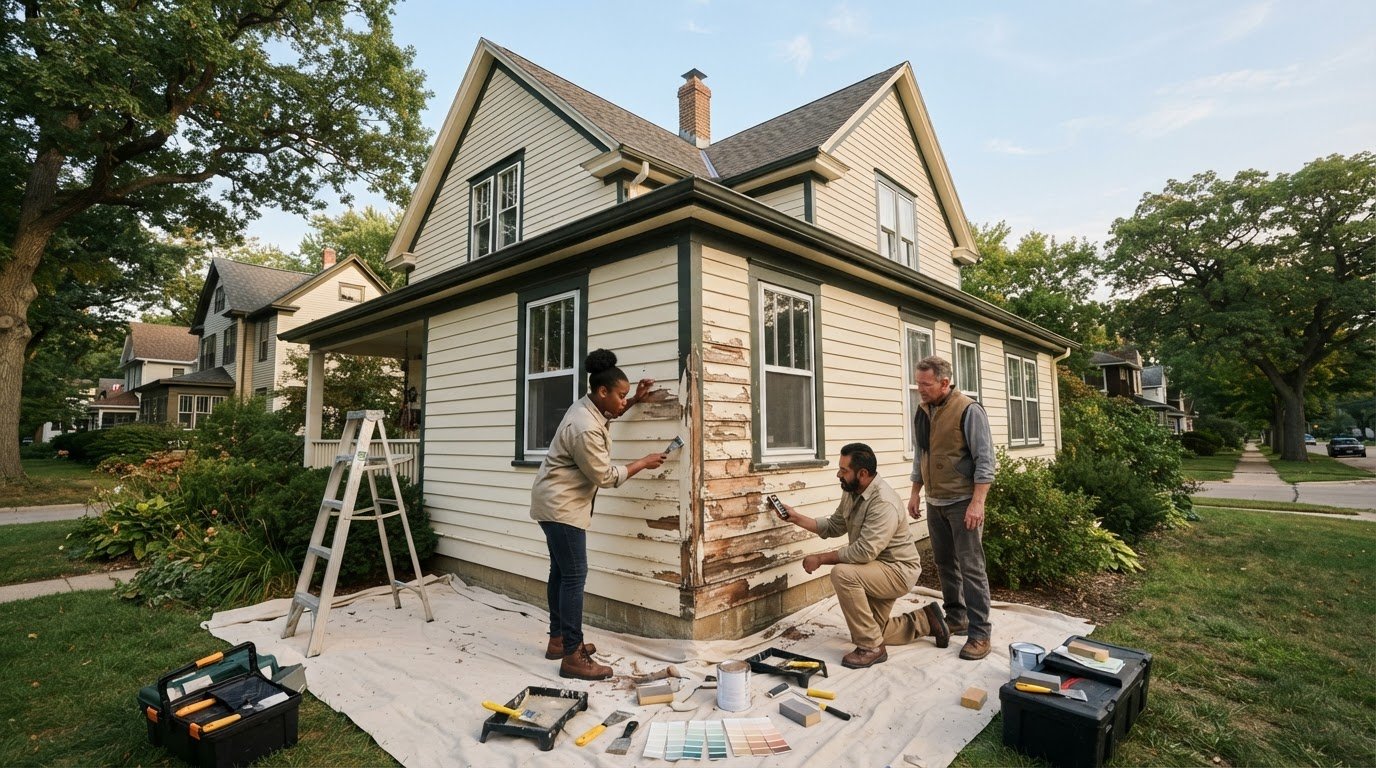
What if the biggest cost in repainting a peeling house isn’t the paint itself? The cost to repaint a house with peeling paint depends heavily on the work needed before the new finish goes on. Peeling may be limited to loose paint, or it may point to moisture or surface damage that needs attention first. Painting over the problem can leave the new finish vulnerable to peeling, too.
It’s reasonable to want a clear estimate and to know whether a few trouble spots call for targeted repairs or a broader repaint. Estimates can differ based on how much scraping, surface preparation, repair work, primer, and paint they include. A lower quote may not cover the same work as a more detailed one.
This guide explains what shapes a project-specific estimate, which preparation and repair details to ask about, and how to compare spot repairs with a full repaint. You’ll also learn how to review contractors’ scopes side by side and choose based on your home’s condition, not just the final coat.
• The cost to repaint a house with peeling paint depends on the affected areas and the work required. Look for an estimate based on a clear project scope.
• Document where paint is peeling and share photos, along with any known leaks, previous repairs, or recurring issues.
• Compare localized repairs with repainting a full surface or several areas. Consider the surface condition, preparation, and how consistent the finished appearance will be.
• Check each estimate for the preparation steps, repairs, coats, and exclusions it covers before comparing contractors.
• A painting professional can help define the repainting scope, but signs of possible moisture or substrate damage may need further assessment.
There’s no reliable single figure for the cost to repaint a house with peeling paint without assessing how much paint has failed and what preparation the surfaces need. A few small patches may call for localized work. Peeling across multiple walls, trim, or other areas can require a broader repaint and more preparation before painting begins.
An estimate covers more than paint and primer. It may include labor, materials, access to the areas being painted, surface preparation, and necessary repairs. For Milwaukee-area homeowners, an assessment of the property helps clarify what’s included. A generic online figure can’t account for the condition and layout of your home.
Loose or failed paint needs to be assessed and prepared before a sound finish can be applied. Peeling is a failure of adhesion, but its appearance alone doesn’t establish why it happened or whether the surface beneath it is damaged. The surface type, extent of failure, access, and underlying condition all affect the work. If there are signs of moisture or soft, damaged material, painting alone shouldn’t be treated as a diagnosis or a fix.
Labor and materials are separate parts of the scope. Paint and primer are materials; scraping, sanding, cleaning, and protecting nearby surfaces take labor. The amount of each depends on the job. A small area may need limited preparation, while widespread peeling could require more extensive work before painting starts.
A basic repaint covers prepared, sound surfaces. A repaint involving extensive preparation includes additional labor to address failing paint and prepare the surfaces for a new finish.
A clear written estimate describes the proposed work, not just the final figure. Check that it identifies the areas to be painted and the preparation, repairs, primer, finish coats, and cleanup included. Ask whether trim, siding, doors, and other surfaces are part of the scope or excluded.
Which walls, elevations, or other surfaces are included?
What scraping, sanding, cleaning, or patching is planned? What conditions could change the scope?
Is primer included where needed? How many finish coats are specified, and what cleanup is covered?
Compare written scopes side by side. If one estimate includes preparation across a full surface and another covers only visible peeling spots, the figures don’t represent the same work. Ask for clarification before deciding, and make sure the proposed scope reflects the condition of the areas you want painted.
Peeling paint can result from poor adhesion, unsuitable preparation before an earlier paint job, moisture, or weather exposure. The pattern can offer clues, but it can’t confirm the cause by itself. On a Milwaukee-area exterior, seasonal exposure may contribute to wear, while recurring peeling in one spot could warrant a closer look at the surface and what’s behind it.
New paint shouldn’t go over loose, failing paint because it can’t form a sound bond with an unstable layer. The fresh finish may peel, too. The right preparation depends on the surface and its condition. Removing loose paint may be appropriate, but the scope could also include smoothing edges, cleaning, priming, or patching where suitable. No single preparation method fits every surface.
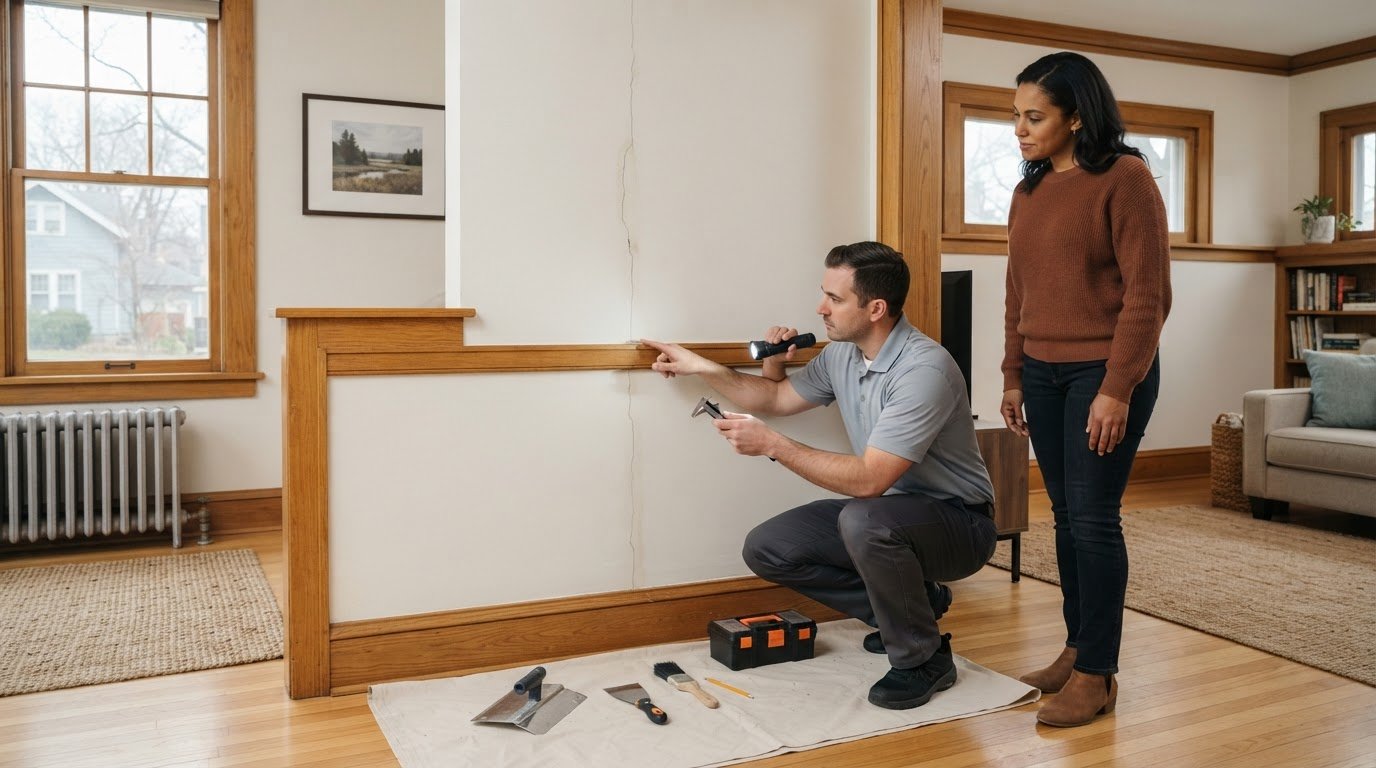
Make a simple record before requesting estimates. Note whether peeling is isolated or widespread, and identify the affected rooms, exterior sides, trim, or other surfaces. Photos can help communicate what’s visible, but they can’t establish the cause.
Look for visible staining, dampness, soft wood, or peeling that keeps returning in the same area. These signs may point to concerns beyond paint failure. A visual check isn’t a substitute for an appropriate evaluation of suspected moisture or structural problems. If wood feels soft or damage appears extensive, ask whether further assessment is needed before painting is scoped.
Depending on the surface, preparation may involve removing loose paint, smoothing the edges between bare and painted areas, cleaning, applying primer, or patching suitable areas. The estimate should state which tasks are included and identify repairs that may be separate scope items. Painting and patching can address defined surface needs, but they don’t resolve an underlying moisture source or confirm structural condition.
For homes built before 1978, ask what precautions may apply before disturbing old paint. The U.S. Environmental Protection Agency provides information about lead-safe work practices. Confirm the appropriate requirements for your project rather than relying on a visual check or assuming the same process applies to every home.
Share your notes and photos with a painting professional, and mention any known leaks, previous repairs, or recurring peeling without assuming what caused them. Pro Painter USA offers residential painting, surface preparation, and repairs in Wisconsin. Homeowners can review the company’s painting and surface preparation services when considering a scoped estimate.
Localized repair can make sense when peeling is confined to a clearly defined area and the surrounding paint and surface are sound. A broader repaint isn’t automatically necessary. The right scope depends on how far the paint failure extends, the condition beneath it, and the finish you want across the affected surfaces.
Address suspected moisture or substrate damage before choosing a paint-only solution. Peeling may have more than one contributing factor, and moisture can be a common cause of premature paint failure. Ask whether an estimate covers only visible symptoms or identifies concerns that may need further assessment.
| Option | Visible extent | Surface condition and preparation | Appearance consistency |
|---|---|---|---|
| Localized repair | One or a few limited spots | Most suitable to assess when nearby paint and substrate appear sound; prepare the affected area as specified | A match may be noticeable if the existing paint has changed in color, sheen, or texture |
| Repaint one defined surface | Failure concentrated on one wall, elevation, or other surface | Preparation can address the full defined surface, with repairs noted in the scope | May provide a more uniform finish across that surface than isolated touch-ups |
| Repaint multiple affected areas | Peeling appears across several surfaces or in recurring areas | Requires a scope that describes preparation and any needed repairs for each area | Can create a more consistent finish across included surfaces, depending on boundaries and materials |
If peeling is limited and the surrounding finish is stable, ask whether a targeted repair is appropriate. Matching the existing color, sheen, age, and texture can affect how well the repaired spot blends in. Ask the painter where the repair will stop and whether the finish will cover only the damaged area or extend to a natural boundary, such as a corner or trim edge.
Widespread peeling, repeated failure, or several affected surfaces are good reasons to compare a wider scope, but they don’t automatically mean the whole house needs repainting. Request options that define the surfaces included and specify preparation and repairs for each. Then compare the proposed work side by side. The cost to repaint a house with peeling paint can’t be judged fairly if one option leaves other failing areas untouched or excludes preparation that another includes.
Before choosing, clarify whether each proposal addresses only visible paint failure or flags possible underlying concerns for further assessment. That distinction helps you select a scope that fits the home’s condition, rather than paying for more painting than needed or overlooking a problem paint can’t solve.

A useful estimate makes clear what work is proposed and where contractors’ scopes differ. The cost to repaint a house with peeling paint can vary with the surface type, extent of repairs, access, and overall project size. Use the same details to request and compare each proposal.
List the rooms, exterior sides, trim, or other surfaces where paint is peeling. Share clear photos and note known leaks, past repairs, or recurring peeling without assuming what caused it.
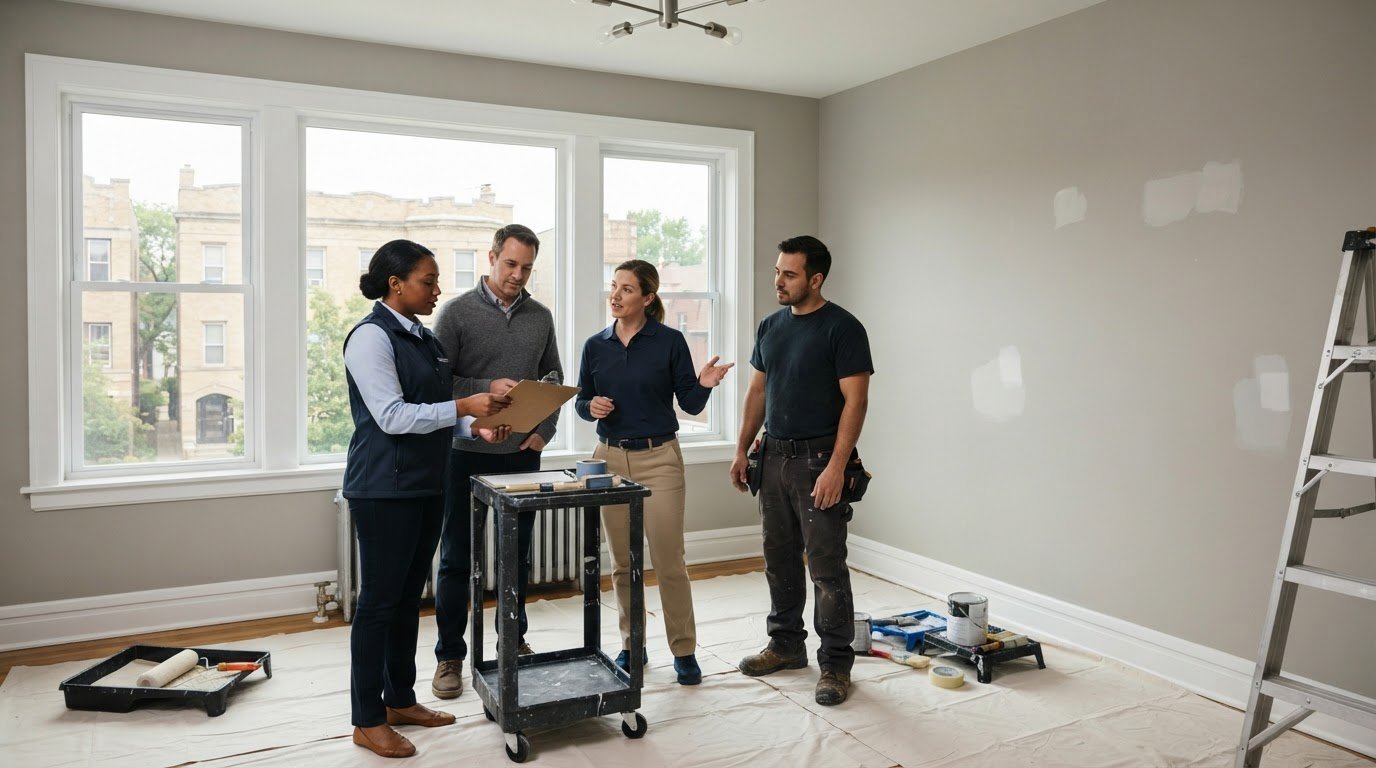
Ask each contractor to describe the same surfaces and desired work. A quote for isolated spots isn’t directly comparable to one covering an entire wall or exterior side.
Check what the estimate says about removing loose paint, smoothing, cleaning, priming, and patching. Confirm how damaged areas will be handled.
Ask which surfaces and tasks aren’t included, including trim, doors, nearby-area protection, and cleanup. Clarify how newly discovered damage would be discussed before additional work is undertaken.
Request clarification about access, work sequence, finish coats, and assumptions that affect the scope. Confirm that the contractor serves your community, such as Milwaukee, Wauwatosa, or nearby areas.
This process helps you compare the work itself, not just the quoted total. If access or surface condition differs between areas, ask how that affects the plan rather than assuming every section will be handled the same way.
Confirm which surfaces are included and how the contractor plans to address loose paint, damaged areas, primer, and finish coats. Ask which repairs are included or excluded, and how additional damage found during preparation will be brought to your attention. You can also ask how nearby areas will be protected, what cleanup is covered, and what order the work will follow.
For exterior work, ask how the surfaces’ exposure and the planned timing affect the proposed approach. Recommendations should fit the specific home and conditions, rather than rely on a single season, coating, or preparation method as a universal answer. Milwaukee-area homeowners should also confirm that a contractor serves their community and can assess the surfaces in question.
Pro Painter USA provides residential painting, surface preparation, and repairs in Wisconsin, including Milwaukee and surrounding communities such as Shorewood, Whitefish Bay, Fox Bay, Glendale, Fox Point, Bayview, Grafton, Cedarburg, Port Washington, Wauwatosa, Menomonee Falls, Richfield, West Bend, Hartford, Waukesha, New Berlin, Hales Corner, Oak Creek, and Cudahy. The company offers free estimates, which can help homeowners discuss affected areas and request a defined scope. Request a free Pro Painter USA estimate to start comparing the work your project may need.
A clear plan starts with identifying where paint is peeling, checking for possible underlying concerns, and comparing written scopes that describe the same work. Then choose a painting professional whose experience and proposed services fit your project. The cost to repaint a house with peeling paint depends on the areas and preparation involved, so a project-specific estimate is more useful than a generic figure.
Before contacting a contractor, list the affected rooms, exterior elevations, siding, trim, doors, and other surfaces. Mark where peeling is most visible, and take clear photos from more than one angle if possible. Share relevant history, such as previous repainting, known leaks, or recurring peeling, without guessing at the cause.
Prepare a few questions, too. Ask what preparation and patching are proposed, which repairs are included or excluded, and how the finish will be applied. If the estimate doesn’t explain the work sequence or how newly discovered damage will be discussed, request clarification before comparing it with other proposals.
A written scope should connect the visible painting work to the preparation and repairs proposed for those surfaces. This helps you understand whether the plan is limited to peeling spots or covers a larger defined area. If wood looks soft or damage seems extensive, seek an appropriate assessment rather than treating repainting as a substitute for diagnosis or repair.
For additional planning, a Milwaukee house painting estimates guide can help frame budgeting questions, while an exterior wood rot repair guide may be useful if you suspect damaged wood. Compare preparation, repairs, included surfaces, and finish work before choosing a scope. A neat-looking finish matters, but the plan should also reflect the condition beneath the paint.
Pro Painter USA provides residential interior and exterior painting, surface preparation, and repairs in Wisconsin, including Milwaukee and surrounding communities. The company offers free estimates for homeowners seeking a project-specific scope.
The cost to repaint a house with peeling paint depends on more than the visible flakes. The extent of the failure, surface condition, access, preparation, and any needed repairs all shape the project scope. Peeling in a small, defined area may call for a different approach than failure across several surfaces, but suspected moisture or substrate damage should be assessed before settling on a paint-only solution.
Before choosing a contractor, document affected areas and compare written estimates that spell out preparation, repairs, primer, finish coats, and exclusions. A clear scope makes it easier to understand what each proposal covers and decide whether localized work or a broader repaint fits your home.
Pro Painter USA provides residential painting, surface preparation, and repairs in Milwaukee and surrounding Wisconsin communities. Free estimates are available online or by phone, giving you a way to discuss your property’s condition and the work under consideration. Request a free Pro Painter USA estimate to discuss the affected areas and clarify your repainting options.
There isn’t a dependable single figure without assessing the affected areas and preparation needed. The cost to repaint a house with peeling paint depends on the amount of failed paint, surface type and condition, access, labor, materials, and necessary repairs. A few isolated spots may call for a different scope than peeling across several surfaces. Request a project-specific estimate based on your home’s condition.
Peeling paint often requires extra work before new paint can be applied to a sound surface. The estimate may include removing loose paint, smoothing edges, cleaning, priming, and patching where appropriate, in addition to finish coats. Widespread peeling or difficult access can add preparation work. Possible moisture or surface damage may also need assessment, and related repairs should be clearly identified in the scope.
Painting over loose, failing paint isn’t a sound preparation approach because the new coating can’t reliably adhere to an unstable layer. Loose paint generally needs to be addressed, and the surface may also need cleaning, smoothing, or primer, depending on its condition. Don’t assume the same preparation suits every surface. If the underlying material looks damaged or the peeling keeps returning, seek an assessment before treating it as a paint-only problem.
It depends on how much paint has failed and whether the surrounding surfaces are sound. A localized repair may suit a clearly limited area, while peeling across multiple surfaces may make a broader repaint worth comparing. The finished appearance matters, too: a spot repair may not blend seamlessly with older paint. Ask for written options that define the areas, preparation, repairs, and finish work so you can compare equivalent scopes.
A useful estimate should identify each included surface and describe the preparation, repairs, primer, finish coats, and cleanup. Check whether siding, trim, doors, and other areas are included or excluded. Ask how the contractor will handle loose paint and damaged areas, and how newly discovered issues will be discussed. Compare written scopes rather than totals alone, since estimates that cover different work aren’t directly comparable.
Yes, moisture can contribute to paint peeling, but appearance alone can’t confirm the cause. Staining, dampness, soft wood, or recurring failure may signal an issue that needs further assessment before repainting. Address suspected moisture concerns before choosing a paint-only solution, and don’t treat painting as a substitute for diagnosing the source or assessing possible structural damage. Share known leaks or past repairs with the contractor without assuming they explain the peeling.
A painting professional can assess visible failure, explain preparation options, and provide a defined painting scope. This can help when peeling affects several surfaces or you’re unsure whether spot repairs or a broader repaint make sense. For concerns such as unresolved moisture or extensive substrate damage, seek the appropriate assessment beyond painting. Pro Painter USA offers residential painting and surface preparation in Milwaukee and surrounding Wisconsin communities, with free estimates available online or by phone.
You might find these helpful:
We are a team of interior and exterior painters and we are not limited to house painting only. We can paint different businesses like retail shops, commercial buildings, and apartments.
We also provide restaurant painting services. We can give you more information about these services if you give us a call.